Nonviolence: Can Gandhi’s ‘Soul Force’ Defend Democracy against Superpowers and Killing Machines? |
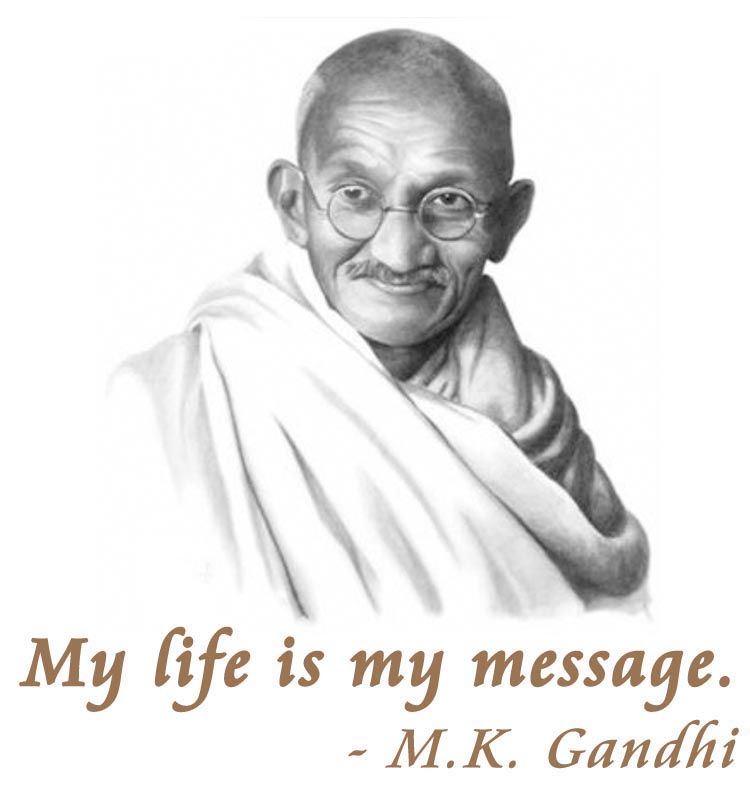
- By Rama Singh*“Things can only get better” sounds like common sense— but it is not always true. It depends on perspective and time. Some wrongs are never right; we simply learn to live with them. How can things get better for families who have lost children in school shootings or loved ones in wars? We are living in strange times. First, the warsTwo major conflicts are raging, each exacting a heavy toll. Both are continuations of older struggles. As Aristotle noted, the immediate causes differ from the deeper, final ones. Ukraine’s desire to join NATO became a trigger for the war. It is now a proxy war between superpowers, with Ukraine caught in the middle. Imagine the horror Ukrainians feel when the very nations that once supported their right to defend their territory now urge them to surrender—at the peace table. Any deal that costs them land would be devastating. The current war in Israel began with the October 7 massacre of innocent civilians by Hamas. But the deeper conflict is rooted in centuries of anti-Jewish hatred, which led to the creation of Israel. Israel’s right to exist has become entangled with the Palestinian struggle for their own right to existence. Even without war, the world is engulfed in political turmoil and natural disasters. The rise of race-based, religious, and right-wing ideologies threatens democracy. Inequality and financial insecurity are growing. Climate change brings droughts, fires, floods, and mass migration. Superpowers are threatening little nations. And yet they call themselves defenders of freedom and democracy. The post–World War II soaring ideals of freedom and democracy once seemed unstoppable. But 75 years later, the future looks uncertain. So what can we do?We cannot disconnect or run away. It is time for deep reflection. Gandhi faced similar moments and offered a talisman: “Whenever you are in doubt or when the self becomes too much with you, apply the following test: Recall the face of the poorest and the weakest person you have seen, and ask yourself if the step you contemplate will be of any use to them. Will they gain anything by it? Will it restore them to control over their life and destiny? Will it lead to Swaraj (self-rule) for the hungry and spiritually starving millions? Then you will find your doubts and yourself melting away.” Gandhi’s talisman was not just for politicians—it was for everyone. Each of us can make a difference in someone’s life. Gandhi also deeply considered the nature of democracy. When asked what he would do after India gained independence, he replied: “Putting democracy on the march.” He believed democracy and nonviolence were inseparable. Nonviolence without democracy cannot bring full Swaraj, and democracy without nonviolence leaves us vulnerable to exploitation. Nonviolence is misunderstoodGandhi’s philosophy of nonviolence was not passive submission. It was active resistance to injustice, grounded in the belief that every human being possesses an inner moral strength capable of confronting oppression without hatred. He called this force satyagraha—a fusion of satya (truth) and agraha (firmness)—which he believed could awaken the conscience of even the most hardened adversary. Today’s world is marked by unprecedented violence, facilitated by technology. From autonomous weapons to psychological warfare on social media, the tools of destruction have evolved—but the impulse remains the same: domination through fear. In such a world, Gandhi’s soul force may seem powerless. But history and contemporary movements suggest otherwise. Gandhi’s emphasis on personal transformation as a foundation for societal change is especially relevant today. In an age of instant outrage and performative activism, his call for introspection, humility, and ethical living reminds us that real change begins within. Modern peacebuilding efforts increasingly reflect this understanding. Programs that combine dialogue, education, and community empowerment echo Gandhian ideals. They aim to restore dignity, rebuild trust, and create sustainable peace. Nonviolence is the ultimate source of moral power for defending democracy and peaceful societal change. Gandhi argued that using unjust means corrupts the outcome, and only truth and nonviolence can lead to true justice and peace. Ends do not justify immoral means. Courtesy: Living Gandhi Today 2025, McMaster University * Rama Singh is professor emeritus of biology at McMaster University and co-chair of Gandhi Peace Festival. | Email: singh@mcmaster.ca |